

Shantha College of Physiotherapy, part of the wider Shantha Group of Institutions, offers students an integrated healthcare learning environment that combines academic education, clinical exposure and community-based knowledge.
As one of the core programmes offered at Shantha, physiotherapy gives students the opportunity to build a career in healthcare while developing knowledge of the human body, rehabilitation, movement and patient care.
The Bachelor of Physiotherapy (BPT) programme is affiliated with Rajiv Gandhi University of Health Sciences (RGUHS), Karnataka, and follows the university-prescribed curriculum and duration. The programme provides a strong foundation in anatomy, physiology, biomechanics, pathology, exercise therapy, manual therapy, rehabilitation sciences and other core areas of physiotherapy.
From Classroom Learning to Clinical Practice
Alongside classroom-based learning, our programme includes practical and clinical training, helping students develop clinical reasoning, technical skills, communication abilities and a patient-centred approach.
Following completion of the programme and the required clinical training, graduates can pursue careers in a wide range of healthcare and rehabilitation settings, including:
- Hospitals and multispecialty healthcare facilities
- Rehabilitation centres
- Outpatient and physiotherapy clinics
- Physiotherapy departments
- Orthopaedic and neurological rehabilitation units
- Sports rehabilitation and fitness facilities
- Community and public healthcare programmes
- Primary and community healthcare settings
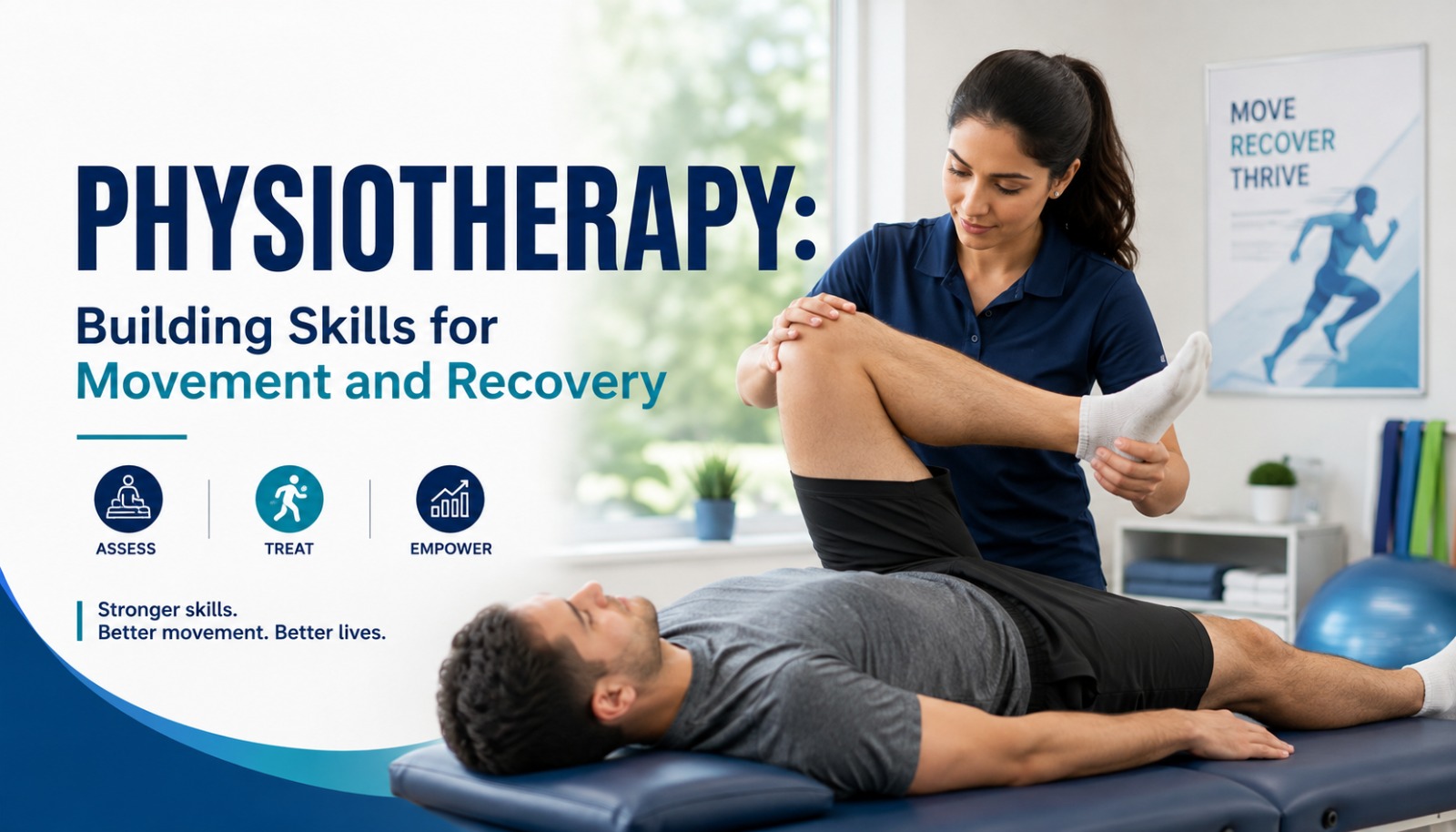
This work can involve helping patients recover from injuries and surgeries, manage musculoskeletal conditions, cope with neurological disorders, or improve movement and physical function.
Developing Expertise and Exploring Opportunities
With further education, clinical experience and professional training, physiotherapists can develop expertise in areas such as orthopaedic physiotherapy, neurological rehabilitation, paediatric physiotherapy, cardiopulmonary rehabilitation, sports physiotherapy, geriatric care and community-based rehabilitation.
A physiotherapy degree can also open opportunities beyond direct clinical practice. Students interested in academics or research can pursue postgraduate education and develop careers in teaching, research or specialised professional practice.
Entrepreneurship is another potential career pathway. Subject to applicable professional requirements and experience, graduates may pursue opportunities in private physiotherapy practice, rehabilitation services, wellness programmes or sports rehabilitation practices.
Learning Across Healthcare Settings
At Shantha, students receive exposure to varied healthcare settings through clinical and community based learning opportunities, including the parent hospital, affiliated multispecialty, hospitals, government, healthcare facilities, Primary Health Centres (PHCs), Community Health Centres (CHCs) and community outreach programmes.
Physiotherapy is inherently interdisciplinary. Patient care often involves collaboration among physiotherapists, doctors, nurses, occupational therapists, pharmacists, laboratory professionals and other healthcare specialists. Exposure to multiple healthcare disciplines can help students understand the role of collaborative, patient- centred care.
The BPT programme at Shantha College of Physiotherapy provides students with a strong foundation for a career in physiotherapy through academic learning, practical training, clinical exposure and community-based experience. The programme enables students to develop professional competencies and prepare for diverse career pathways in healthcare, rehabilitation, sports, research, education and community practice.